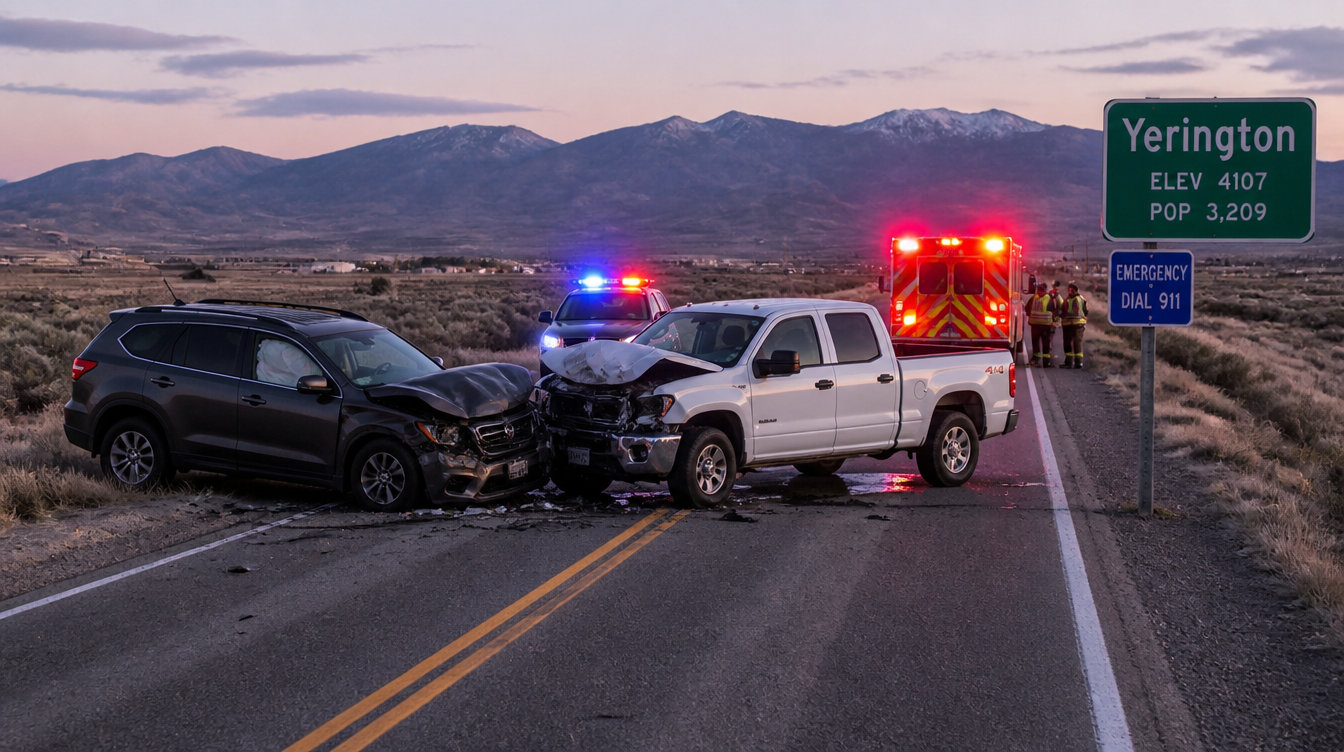
After a car accident, it may not take long before an insurance adjuster contacts you. In some cases, the company may even offer a settlement within days of the collision.
At first, that offer may seem like good news. Medical bills are arriving, your vehicle needs repairs, and you may have missed work. Receiving money quickly can feel like the easiest solution.
However, accepting the first settlement offer is not always in your best interest. Many people discover later that their injuries are more serious than they first believed. Unfortunately, by then, they have already signed away their rights.
Before accepting any settlement, it is important to understand how insurance companies evaluate claims and what your decision could mean for your future.
Why Insurance Companies Settle Quickly
Insurance companies are businesses.
Like any business, they try to control costs whenever possible.
One way they accomplish that is by resolving claims before the full extent of an injury becomes clear.
Many accident victims are still undergoing medical treatment when the first settlement offer arrives. At that stage, neither the injured person nor the insurance company may know whether additional treatment, surgery, or rehabilitation will become necessary.
A quick settlement also limits uncertainty for the insurance company.
Once a claim is settled, the case is generally over. Even if your condition worsens later, you usually cannot return and ask for additional compensation.
For that reason alone, it is worth slowing down before making any decisions.
You May Not Know the Full Extent of Your Injuries
Some injuries heal quickly.
Others take weeks or even months before doctors understand their long-term effects.
Soft tissue injuries, spinal injuries, traumatic brain injuries, and chronic pain conditions often become more apparent over time.
Many people initially believe they only have minor soreness. Then, several weeks later, they discover they need physical therapy or ongoing medical care.
If you settle before reaching maximum medical improvement, you may accept far less compensation than your claim is actually worth.
Waiting until your doctors have a clearer understanding of your recovery often allows your damages to be calculated more accurately.
A Settlement Should Cover More Than Medical Bills
Many people focus only on their current medical expenses.
However, a personal injury claim may involve much more than emergency room treatment.
Depending on the circumstances, compensation may include:
- Current and future medical expenses
- Lost wages and reduced earning capacity
- Pain and suffering
- Emotional distress
- Property damage
- Rehabilitation costs
Every case is different.
The value of a claim depends on the severity of the injuries, how the accident occurred, and how the injuries affect your daily life.
Looking only at today’s bills may cause you to overlook future financial losses.
Be Careful With Recorded Statements
Insurance adjusters frequently ask accident victims to provide recorded statements.
Many people assume this is simply part of the claims process.
While that may be true, your statements can later become evidence.
For example, saying “I’m feeling okay today” may seem harmless.
Later, if your injuries worsen, the insurance company may point to that statement as evidence that your condition was never serious.
The safest approach is to answer basic questions honestly while avoiding speculation about your injuries or the cause of the accident.
If you are unsure how to respond, seeking legal guidance first may help protect your claim.
Every Accident Is Different
No two personal injury cases are exactly alike.
Two people may experience similar collisions but have completely different injuries, recovery times, and financial losses.
Age, occupation, preexisting health conditions, and the type of medical treatment required can all affect the value of a claim.
That is why comparing your settlement to someone else’s experience rarely provides an accurate picture.
Instead, your case should be evaluated based on its own unique facts.
An experienced attorney can review medical records, accident reports, witness statements, and other evidence before estimating the potential value of your claim.
When It Makes Sense to Speak With an Attorney
Not every accident requires legal representation.
However, legal guidance often becomes valuable when serious injuries or disputed liability are involved.
You should consider speaking with a personal injury attorney if:
- You suffered significant injuries.
- The insurance company disputes fault.
- Your medical treatment is ongoing.
- You missed work because of your injuries.
- The settlement offer seems too low.
- Multiple parties may be responsible for the accident.
Learning about your legal options does not mean you must file a lawsuit.
Instead, it allows you to make informed decisions before signing documents that could permanently affect your rights.
Make an Informed Decision Before You Settle
Accepting a settlement may seem like the quickest way to move forward after an accident. However, quick decisions are not always the best decisions.
Taking time to understand your injuries, your future medical needs, and the full value of your claim can prevent costly mistakes.
If you were injured in a car accident in Yerington or elsewhere in Lyon County, understanding your legal rights before accepting an insurance settlement may help protect both your recovery and your financial future.

Josh Nay is a writer and paralegal with over 10 years of experience in personal injury cases, family law and criminal defense.